• Free Returns

    On all UK orders

  • Shipping Duty & Taxes Paid

    EU & Norway

  • Shipping Duty & Taxes Paid

    USA, Australia, Canada, Singapore

We will shortly be on our annual trip to Japan. Orders placed after Sunday 26th July will be shipped at the beginning of September.

Bespoke shade orders placed after the 12th of July will ship in mid-September.

Sushidai zara

£7500

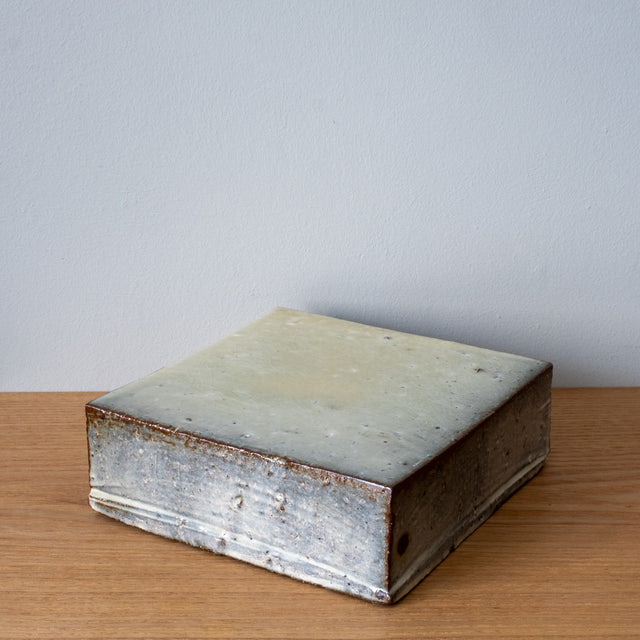
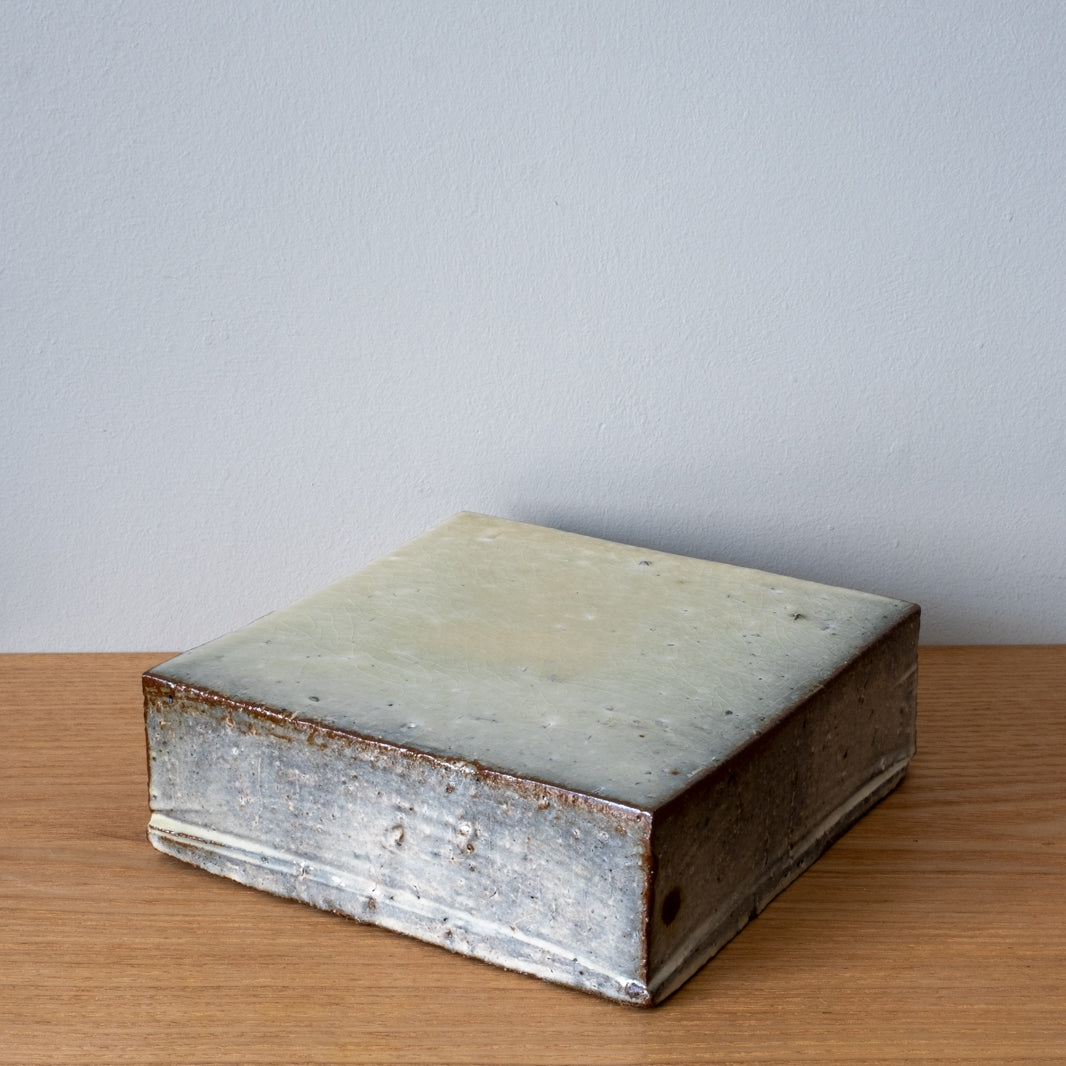
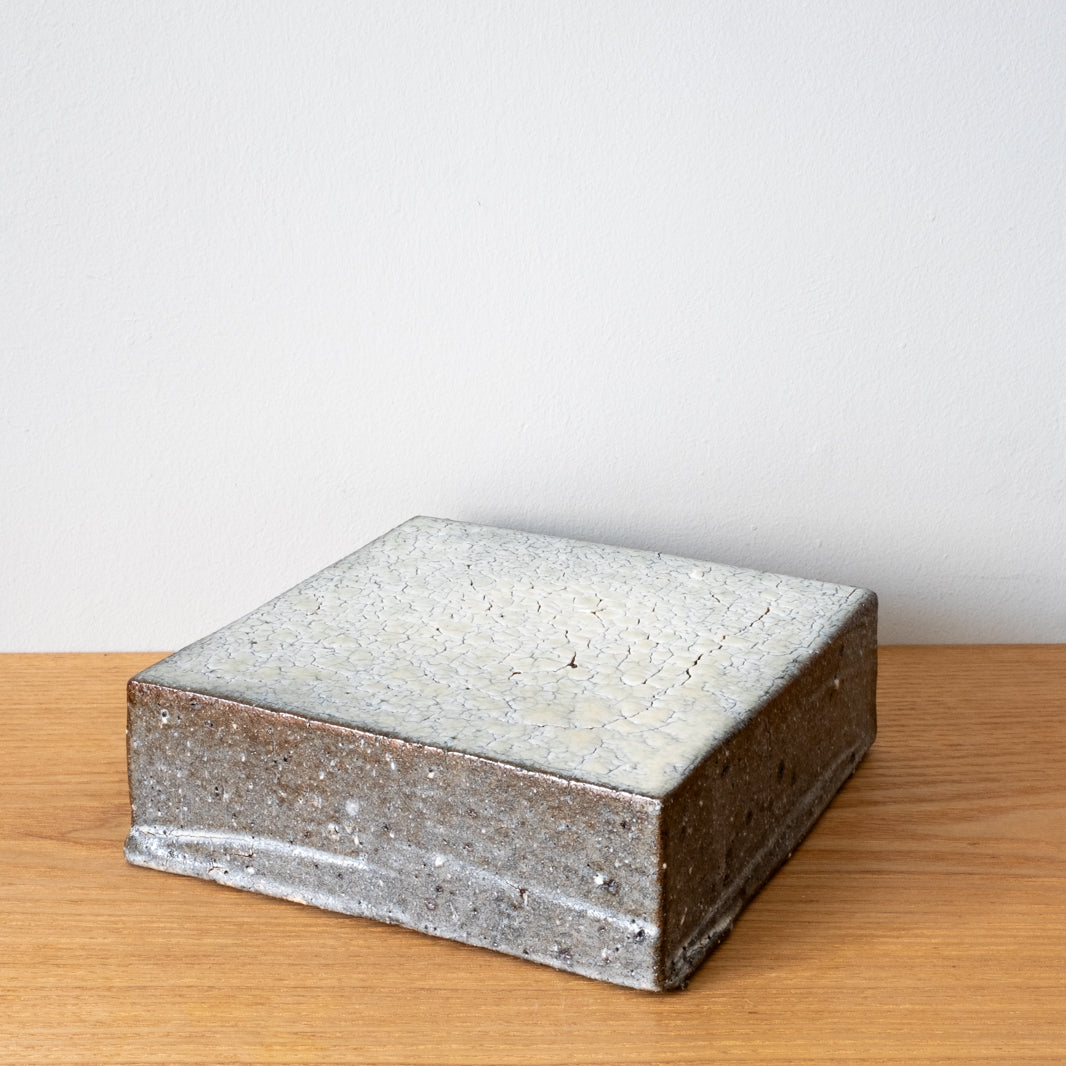
Made as a sushi plate and totally food safe, these interesting block plates can be used for any number of things. As a presentation pedestal, as a vase stand, as a serving block, or maybe even a cheese plate!

Sometimes smooth and often cracked and pock-marked, these sushi plates are full of wabi-sabi style. Our latest delivery has some with a smoother glaze on top, and some with a beautiful, scaly kohiki glaze. If you have any concerns or want to see other pictures or options, please just let us know.

Hand-made at the Tatsumi Kiln in Fukuoka prefecture on Kyūshū

  • 5.0cm High, 15.0cm Wide, 15.0cm Long
  • Stoneware (please see the Care Guide below)
  • Handwash only please
  • Please do not microwave


Returns & Refunds

Free returns within the UK

All damage must be reported to us within 14 days of receiving the package

Full delivery and returns policy is here

Care Guide

Like all tableware and handmade homewares, our products should be used with some degree of care to help keep them looking good. Even though these are fired at 1250 degrees Centigrade, there is not a high proportion of stone in the clay, so these are between earthenware and stoneware. Earthenware by its nature is less resilient than stoneware, so we recommend using metal cutlery gently, but they are dishwasher safe.

A characteristic of Koishiwara glaze is that darker food colourings can settle into the veins and crackle of lighter colour glazes. This is seen as attractive by some ceramics enthusiasts, and they even try to artificially age their plates and bowls by soaking them in soy sauce. To Western eyes this can seem strange, so if you want to ensure that you keep a light finish to your glaze, then before using, you can soak the items in water, or if you have it starchy water like pasta or rice water. This should prevent the glaze picking up darker colours from the food, but it is not failsafe.

These are all food safe and conform to BS6748:1986 + A1:2011 (Toxic Metal Release)

Meet the Maker:

Tatsumi Kiln

Naganuma san is a force of nature. He has the energy to have a wood-fired noborigama and anagama - and he fires them regularly by himself. This is a huge amount of work for one person by themselves. He also finds and digs his own clay, makes his own glazes and grows his own rice. No wonder he describes himself as "made of fire and earth". Despite all his skill and technical ability, he still refuses to consider himself an artist - just a potter.