• Free Returns

    On all UK orders

  • Shipping Duty & Taxes Paid

    EU & Norway

  • Shipping Duty & Taxes Paid

    USA, Australia, Canada, Singapore

We will shortly be on our annual trip to Japan. Orders placed after Sunday 26th July will be shipped at the beginning of September.

Bespoke shade orders placed after the 12th of July will ship in mid-September.

Tobikanna Sake Guinomi

£1900

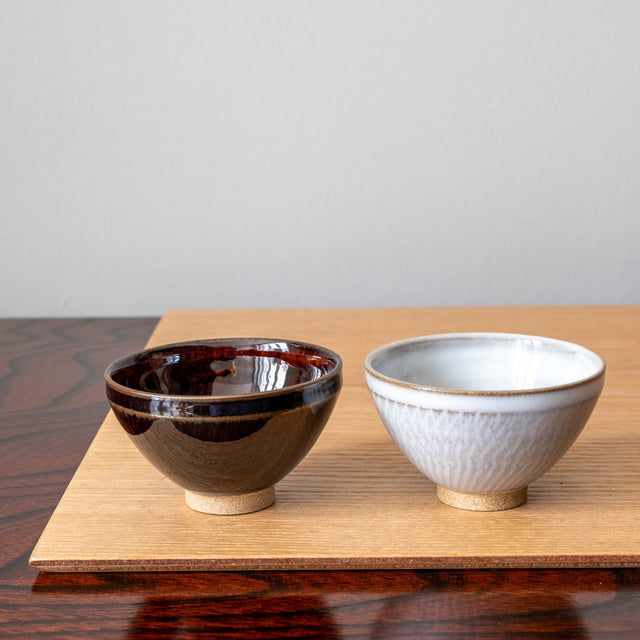
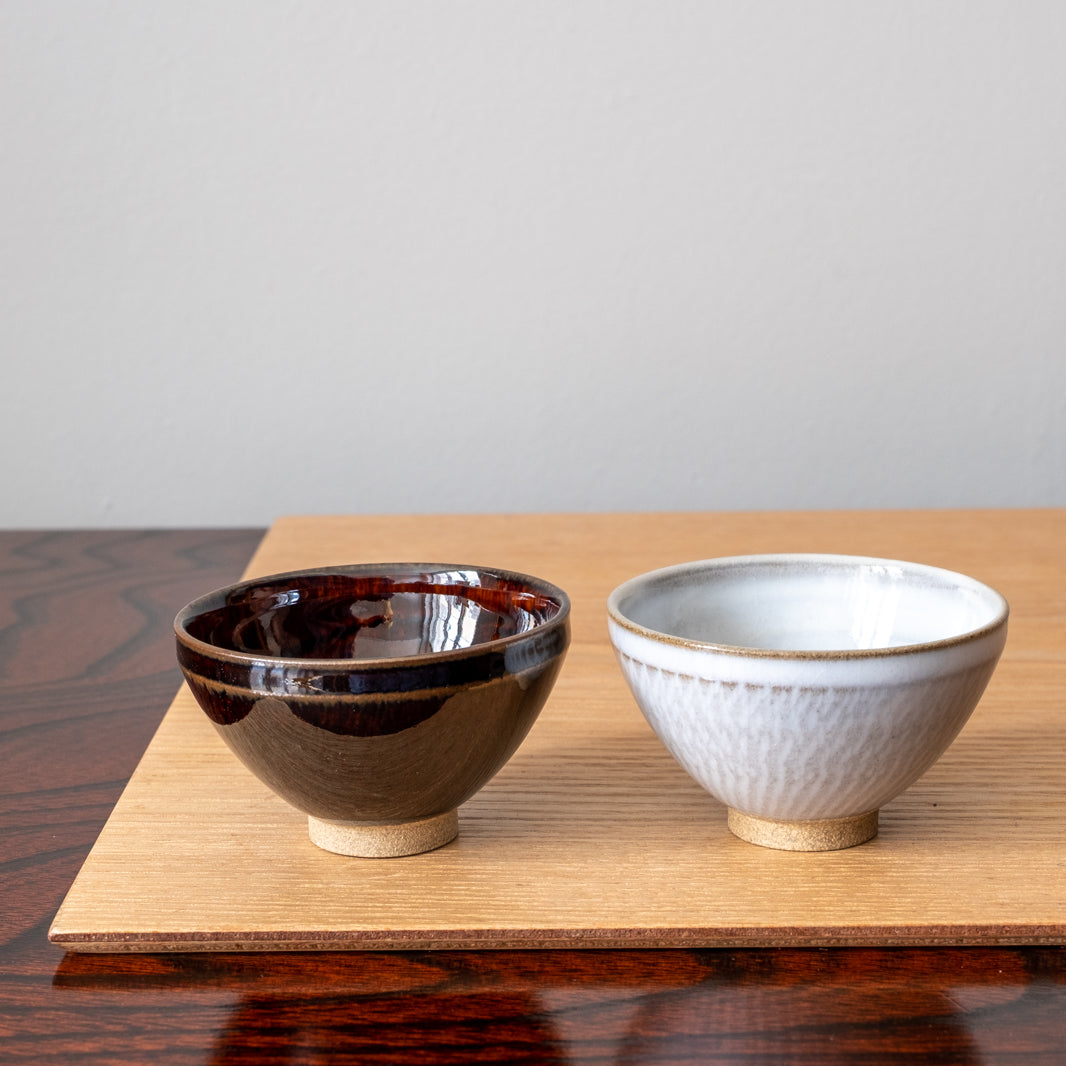
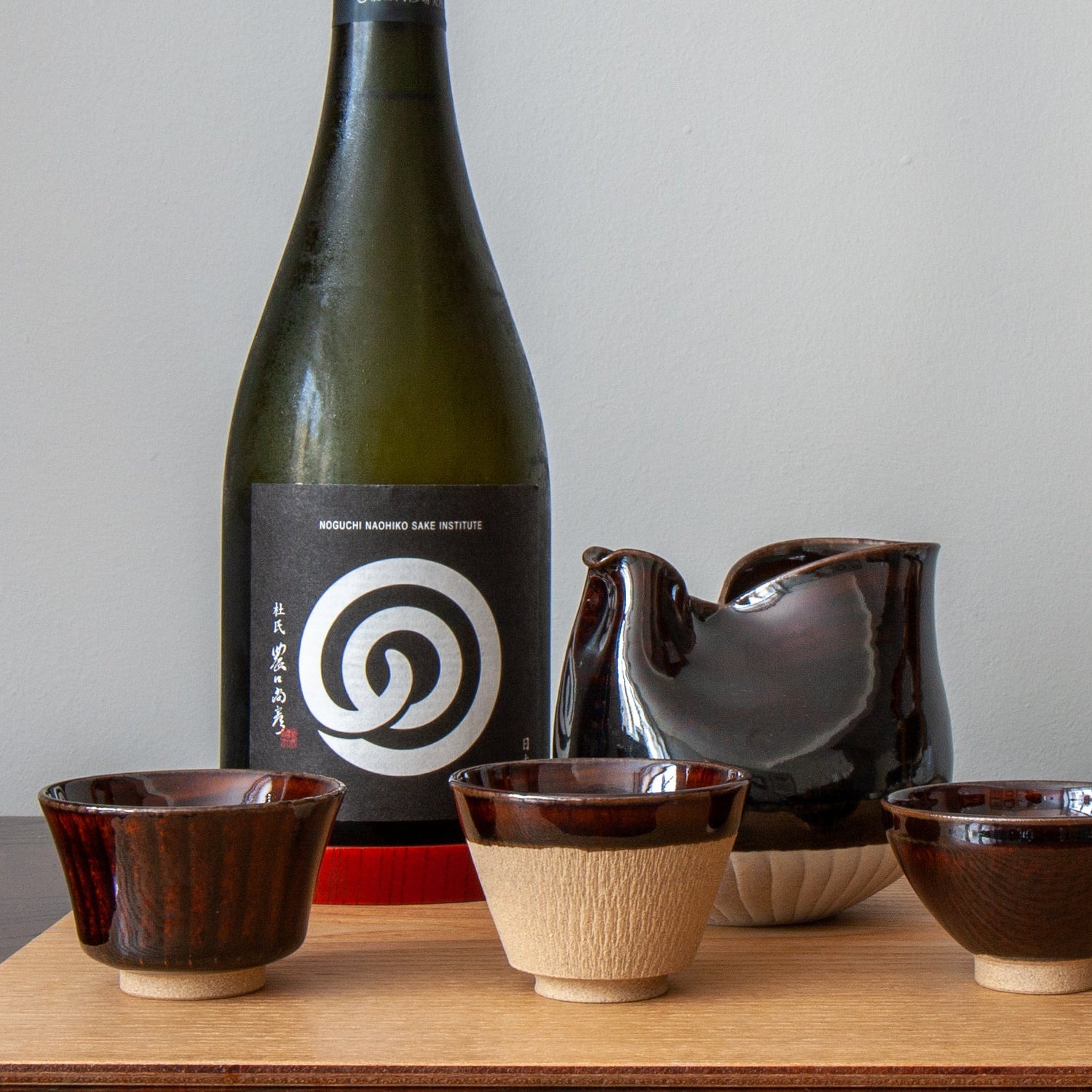
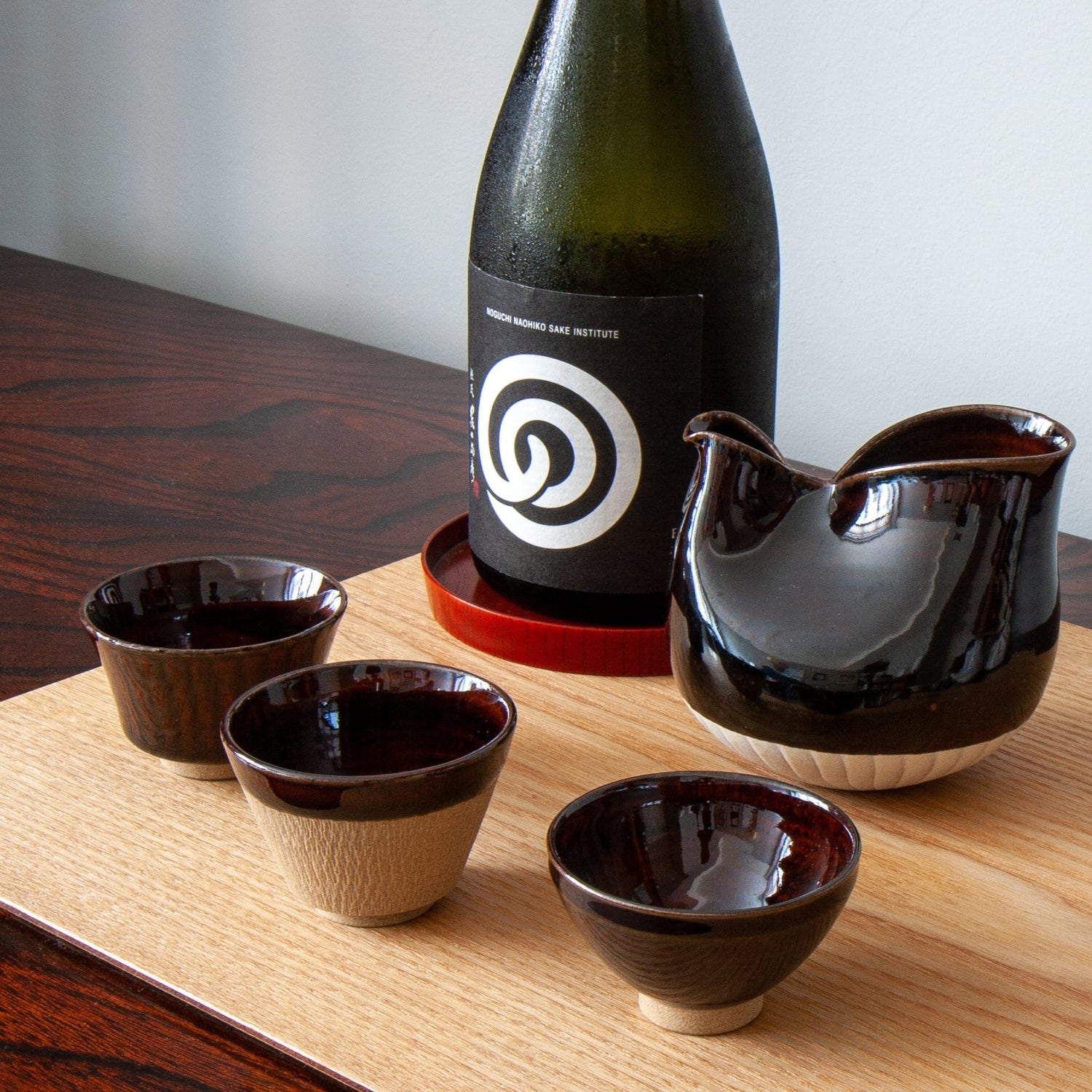
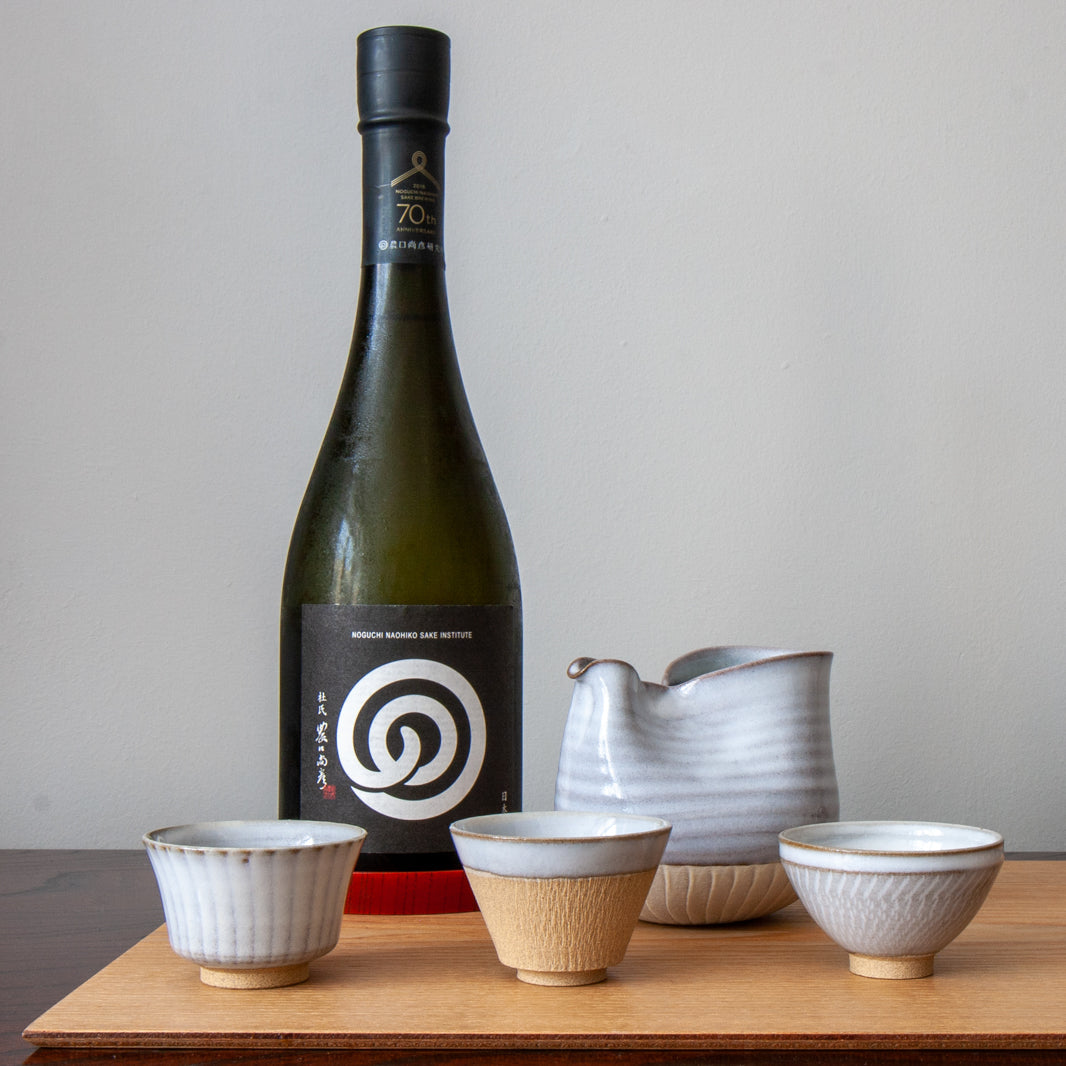
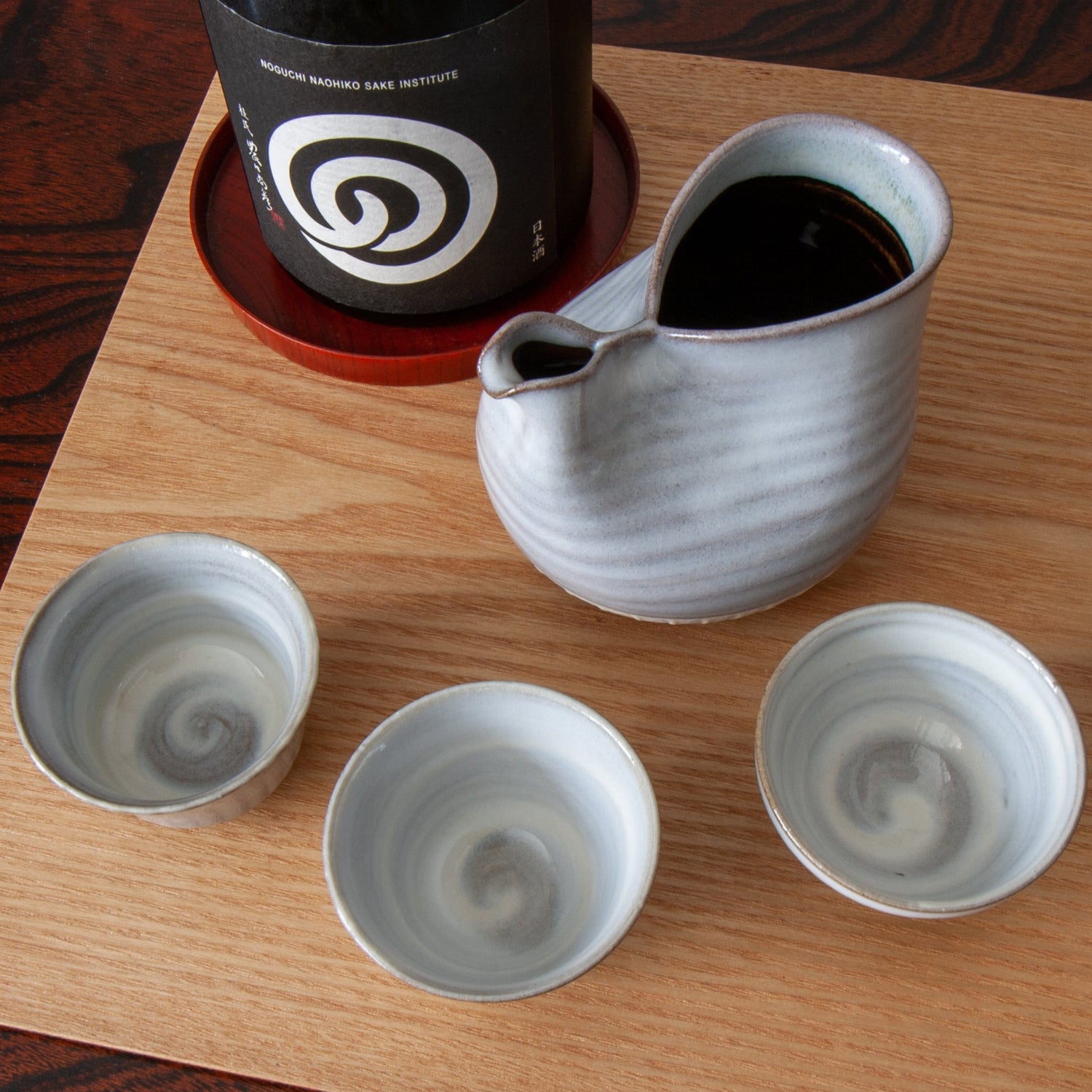
A lovely rounder, fuller guinomi or sake cup with a gentle tobikanna decoration around the outside that just nestles into your hand.

Handmade by Kajiwara san at the Keishugama Kiln, South West Japan

  • 5.0cm High, 5.0cm Wide, 6.0cm Long
  • Stoneware (please see the Care Guide below)
  • These are dishwashable
  • These can be used in the microwave


Returns & Refunds

Free returns within the UK

All damage must be reported to us within 14 days of receiving the package

Full delivery and returns policy is here

Care Guide

Like all tableware and handmade homewares, our products should be used with some degree of care to help keep them looking good. Even though these are fired at 1250 degrees Centigrade, there is not a high proportion of stone in the clay, so these are between earthenware and stoneware. Earthenware by its nature is less resilient than porcelain, so we recommend using metal cutlery gently (repetitive, hard use of metal cutlery will leave surface marks (as on all tableware) which can be more noticeable on dark glazes), but they are dishwasher and microwave safe.

A characteristic of Koishiwara glaze is that darker food colourings can settle into the veins and crackle of lighter glazes. This is seen as attractive by some ceramics enthusiasts, and they even try to artificially age their plates and bowls by soaking them in soy sauce. To Western eyes this can seem strange, so if you want to ensure that you keep a clear white finish, then before using, you can soak the items in water, or if you have it starchy water like pasta or rice water. This should prevent the glaze picking up darker colours from the food. We have never had any problems, and all stains we have had on our plates have come out in the dishwasher, but Kajiwara san warns against using beetroot and cumin and other strong staining foods with his items.

These are all food safe and conform to BS6748:1986 + A1:2011 (Toxic Metal Release)

Meet the Maker:

Keishugama Kiln

Kajiwara san grew up surrounded by pottery in Tōhō village and has taken up the challenge of how to re-invigorate traditional shapes and decoration. He experimented with different glazes and shapes until he settled on his signature white rice husk ash and brown ameyu glazes which he uses for practical tableware including the versatile Ōhitsu container. His glazes have a real depth of colour and texture which combined with simple shapes and decoration make his work really appealing.